
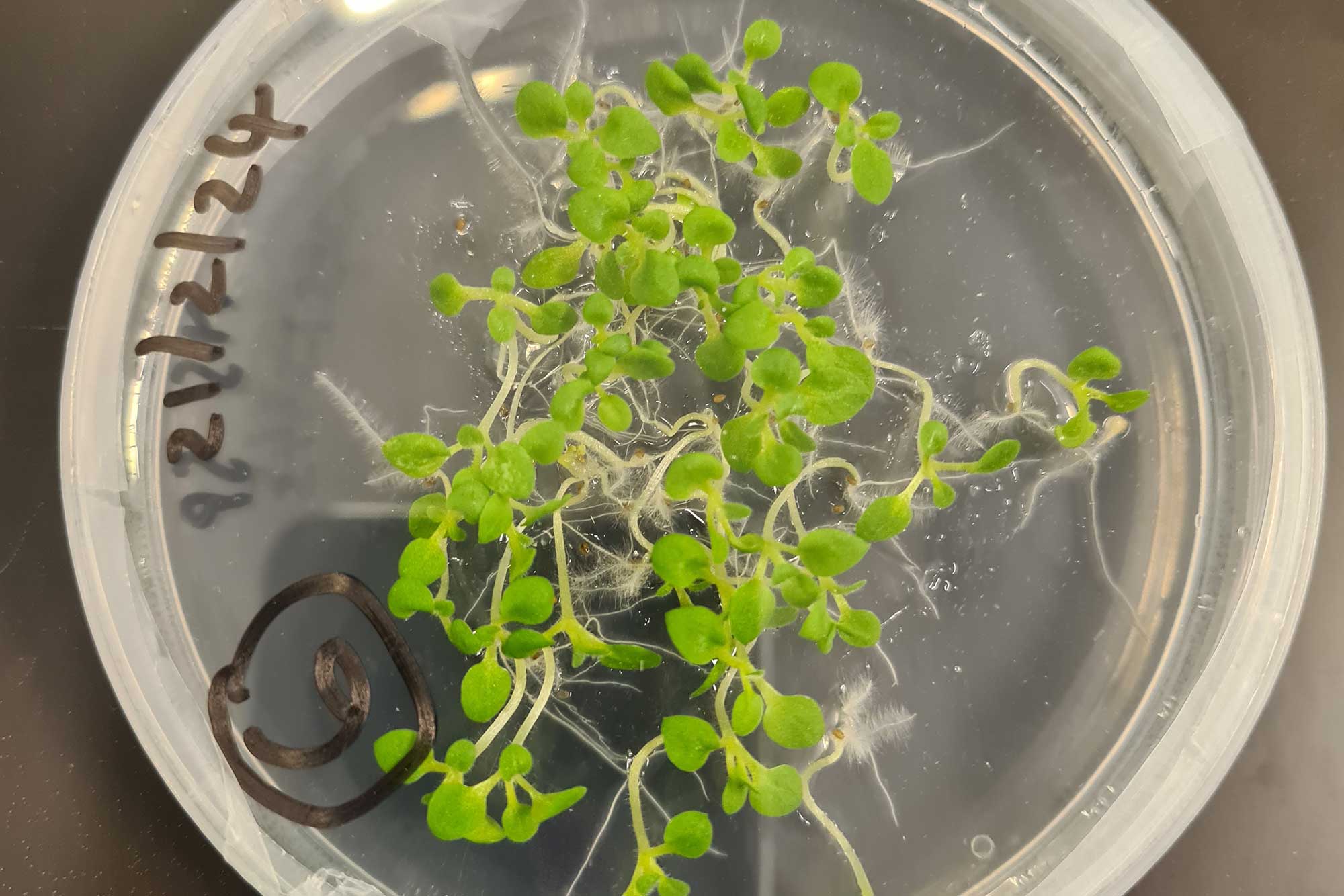

Turning the immune system against gonorrhoea
Laura Burgess Tornaletti has spent much of her research career looking at the relationship between pathogens and the immune system.
Originally from Rome, she moved to the UK to study Microbiology at the University of Glasgow, including a year at the Pasteur Institute in Paris. She later completed her PhD in Biochemistry at the University of Manchester, focusing on the development of a protein-based vaccine against Neisseria gonorrhoeae, the bacterium responsible for gonorrhoea.
Her work brought together protein design, production and characterisation with immunisation studies investigating how the immune system responds.
But at the centre of the research was a relatively simple question:
How can we teach the immune system to recognise gonorrhoea before an infection happens?
Building something that looks like a virus, without being one
One of the technologies Laura worked with is based on virus-like particles, or VLPs.
VLPs are tiny structures that resemble viruses but do not contain the genetic material needed to cause an infection. Instead, they can act as a kind of scaffold.
Proteins from Neisseria gonorrhoeae can be displayed on the surface of these particles, presenting them to the immune system in a way designed to encourage an antibody response.
In simple terms, the goal is to show the immune system what to look for before it encounters the real pathogen.
“Vaccines essentially mimic certain aspects of an infection to prepare the immune system.”
For Laura, that relationship between pathogen and host is part of what makes vaccine research so interesting. Developing an effective vaccine requires understanding both sides: how a pathogen behaves and how the immune system reacts to it.
What if the factory was a plant?
Developing the vaccine platform was only one part of Laura’s research.
The other question was how its components could be produced.
Instead of relying only on conventional manufacturing systems, Laura explored whether Nicotiana tabacum, a species of tobacco plant, could act as a biological production system for the VLPs.
In other words, the plant itself becomes part of the manufacturing process.
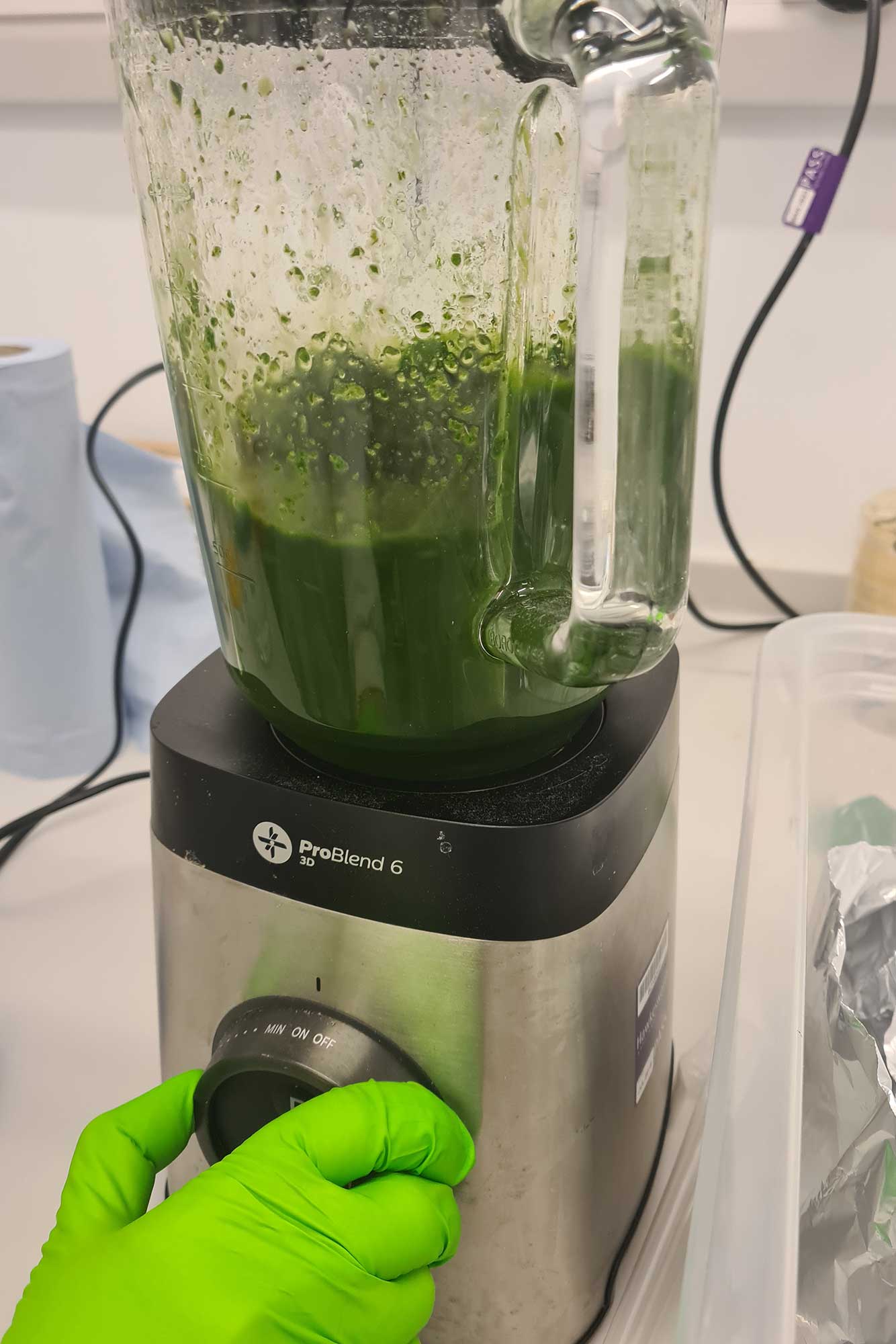
The aim was to investigate whether plants could eventually provide a lower-cost and more scalable way of producing certain vaccine components.
This could be particularly relevant in places where access to expensive vaccine manufacturing infrastructure is limited.
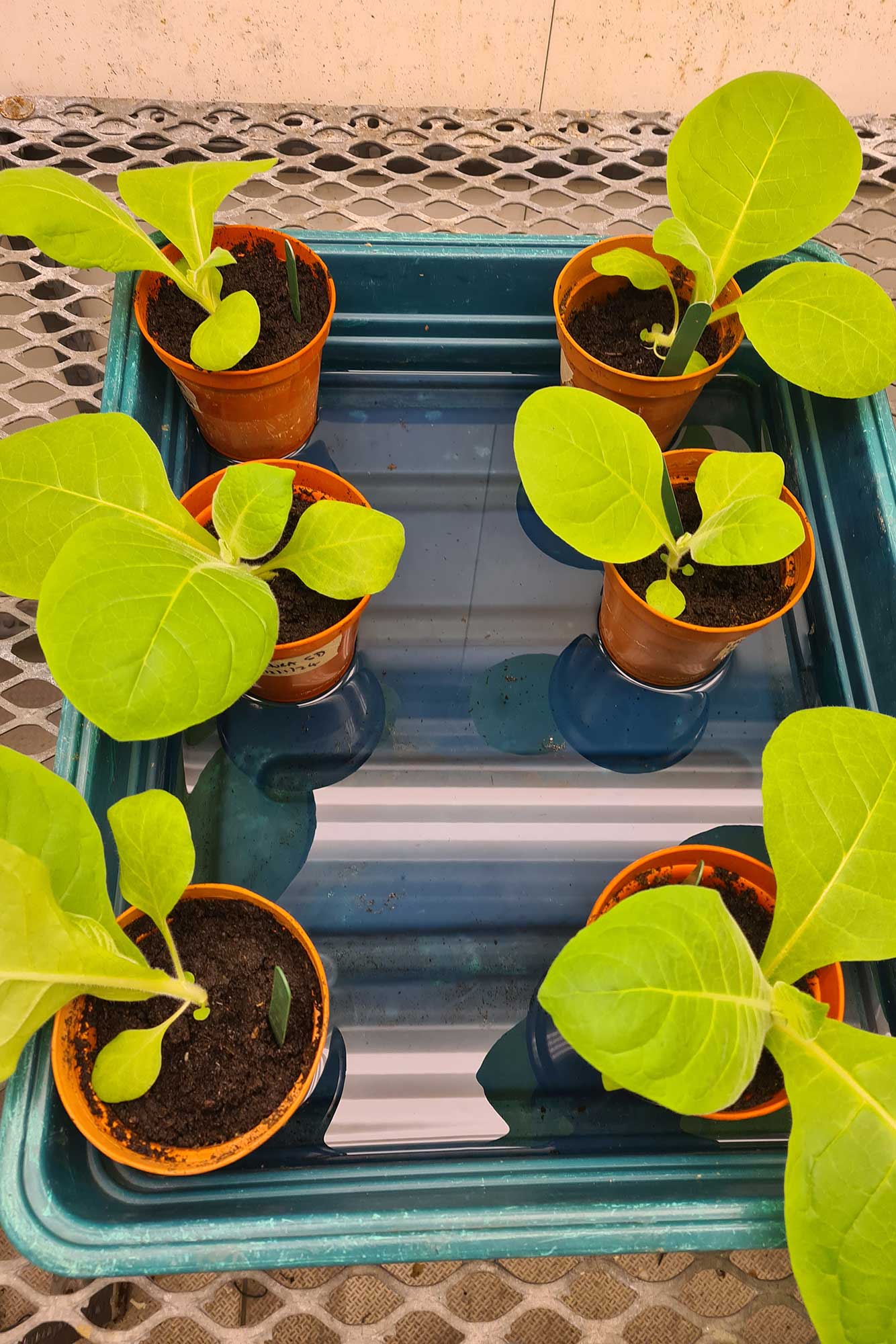
“The idea was to explore whether plants could provide a low-cost and scalable platform for producing vaccine components.”
Plant-based production systems are not a replacement for every existing approach. But they could offer another route for manufacturing biological materials, particularly where cost and infrastructure create barriers.
A growing need for new approaches
There is currently no widely available licensed vaccine specifically designed to prevent gonorrhoea.
At the same time, antimicrobial resistance is making the disease increasingly difficult to address using existing treatments alone.
For Laura, this makes preventative approaches especially important.
Her work explored whether Neisseria antigens displayed through a VLP-based platform could generate antibody responses in mice, contributing to the broader effort to develop new approaches to gonorrhoea prevention.
There is another challenge too: access.
The COVID-19 pandemic made large differences in global access to vaccines particularly visible. Manufacturing capacity, infrastructure and cost all influence where and how quickly vaccines can become available.
Exploring alternative production systems is therefore not only a technical question. It is also about understanding how vaccines could eventually be produced more efficiently and in more places.
When different biological systems still produce something useful
Some of Laura’s most interesting findings came from testing how vaccine components behaved when produced in very different biological systems.
One experiment involved producing bacterial antigens using a mammalian expression system.
That presented a potential problem.
Proteins produced in different organisms can undergo different modifications. These changes can affect how the immune system recognises them.
Despite this, the antigens produced in the mammalian system were still able to generate an immune response in mice.
That opens up an interesting manufacturing possibility: bacterial vaccine components could potentially be produced using some of the same established expression and purification pipelines already used for other biological products.
The plant experiments produced another encouraging result.
Inside the tobacco plants, the VLPs accumulated in the chloroplasts and assembled into particles with a structure similar to those produced using the bacterial system.
The plant was not simply producing individual components. It was capable of producing them in an assembled form.
Together, the findings show how very different biological systems can potentially be used to manufacture vaccine components while retaining properties that matter for their function.
Research shaped by real-world impact
Laura’s interest in vaccines comes partly from the science itself.
She is fascinated by the constant interaction between pathogens and the immune system, and by the possibility of using that interaction to prevent disease.
But there is also a more direct motivation.
“Vaccines are one of the most successful preventative measures in global health, and that has a very direct impact on people’s lives.”
Her PhD has given her experience across protein production, characterisation and vaccine development. Looking ahead, she is interested in continuing to build on that foundation, particularly in work involving proteins for therapeutic or vaccine applications.
If biological systems as different as bacteria, mammalian cells and plants can all contribute to producing vaccine components, what new manufacturing possibilities might that create?
Go deeper into the research
Explore Laura Burgess Tornaletti’s work, publications and the science behind this story.